- Tianqiao District, Jinan City, Shandong Province, China
- export01@jinbangch.com
- Mon to Sun: 8:00am – 6:00pm


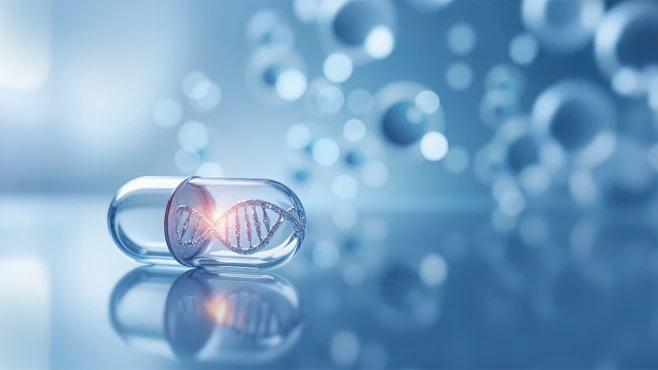
Amidst the vast constellation of synthetic polymers, one star has shone continuously for over half a century while continually radiating fresh vitality—polyvinylpyrrolidone. This water-soluble polymer, formed by the polymerisation of N-vinylpyrrolidone monomers, has long transcended its historical role as a plasma substitute, evolving into an industrial “flavour enhancer” that permeates pharmaceuticals, cosmetics, foodstuffs, and cutting-edge technologies. This article delves into the core distinctions between various PVP grades and highlights its current pioneering applications in international innovation.
| K Value Range | Average Molecular Weight (Da) | Key Characteristics and Core Applications |
| K-12 to K-17 | ~2,500 – 10,000 | Low molecular weight, high permeability, excellent solubilising properties. Commonly used for:
|
| K-25 to K-30 | ~30,000 – 50,000 | Medium molecular weight, the most widely used and highest demand grade. Combines binding, film-forming and suspension capabilities.
|
| K-90 | ~1,000,000 – 1,500,000 | High molecular weight, exhibiting exceptional film-forming properties, viscosity, and colloidal protection.
|
| PVP-I | Undefined (as a complex) | A complex of PVP and iodine. This is not a K-value grade but the most significant PVP derivative. It resolves iodine’s irritancy, instability, and low water solubility, establishing it as a globally recognised highly effective, low-toxicity, broad-spectrum disinfectant. Widely used in surgical disinfection, wound management, and water purification. |
| Cross-linked PVP (PVPP) | Not applicable | Insoluble in water, forming a three-dimensional network structure. Exhibits exceptional adsorption, disintegration, and clarification capabilities. Serves as a super disintegrant for tablets and a clarification stabiliser for beer and fruit juices. |
Summary of Distinctions: The essence of selecting a PVP grade lies in balancing molecular weight (viscosity) and functionality. Low K-values are employed for permeation and solubilisation; medium K-values serve as versatile ‘all-purpose’ solutions; high K-values are utilised in scenarios requiring high-strength film formation and stability.
Polyvinylpyrrolidone and its polymers, as novel fine chemical materials, find extensive application across pharmaceuticals, foodstuffs, daily chemicals, printing and dyeing, pigments and coatings, biomaterials, and water treatment materials, presenting broad market prospects. Presently, PVP applications are rapidly advancing towards high-tech, high-value-added directions.
The “Key Ink” for Pharmaceutical 3D Printing: In Fused Deposition Modelling (FDM) 3D printing, It is widely employed as a carrier and shaping agent for printable pharmaceutical filaments. Researchers leverage PVP K-30’s superior adhesion and water solubility to load drugs within it, printing personalised tablets with complex geometries to achieve precise dose control and programmed release.
Bio-inks and Wound Dressings: Within the field of biological 3D printing, It serves as a sacrificial or support material for bio-inks due to its outstanding water solubility and biocompatibility. It can be printed into temporary vascular network scaffolds; after encapsulating cells within these structures, the PVP is subsequently washed away, forming hollow vascular channels.
Lithium-sulphur batteries: Research indicates that incorporating PVP into cathode materials or separator coatings enables its abundant polar groups to effectively anchor polysulphides, significantly suppressing the shuttle effect of sulphides and enhancing the battery’s cycle life. A 2023 study published in Advanced Energy Materials demonstrated that PVP-modified batteries exhibited a capacity retention rate exceeding 80% after 500 cycles.
Perovskite Solar Cells (PSCs): It serves as a modifier for electron transport layers (e.g., TiO₂). Its molecules passivate interface defects in PSCs and improve thin-film morphology, thereby enhancing the devices’ photovoltaic conversion efficiency and long-term stability.
Shape-Controlled Synthesis of Precious Metal Nanoparticles: When synthesising non-spherical nanoparticles such as gold nanorods and silver nanocubes, PVP K-90 transcends its role as a mere stabiliser to become a pivotal ‘shape-directing agent’. It selectively adsorbs onto specific crystal planes, regulating anisotropic growth to achieve precise control over nanoparticle morphology. This is crucial for tailoring their optical and catalytic properties.
Polyvinylpyrrolidone with its irreplaceable physicochemical properties and outstanding biocompatibility, has long permeated every facet of modern industry. From the most traditional tablet binders to cutting-edge bio-inks and high-performance battery materials, PVP’s remarkable cross-disciplinary capabilities are truly astonishing.
Jinbonchem, as a trusted and professional Polyvinylpyrrolidone supplier, provides high-quality Polyvinylpyrrolidone products to customers worldwide. Our products guarantee: stable and reliable performance, highly competitive pricing, dependable bulk supply with timely delivery, and technical support for customised requirements. Enquiries are welcome!
We are always committed to delivering optimal chemical solutions for all application scenarios.