- Tianqiao District, Jinan City, Shandong Province, China
- export01@jinbangch.com
- Mon to Sun: 8:00am – 6:00pm

As environmental regulations tighten globally, cutting-edge technological breakthroughs advance, and consumer markets mature, the application of isosorbide dimethyl ether has evolved beyond its foundational role as a “green alternative.” It is now increasingly recognized as a key performance-enhancing component that elevates core product capabilities. This article focuses on its practical applications, analyzing this value upgrade from “environmental substitution” to “high-performance empowerment.”
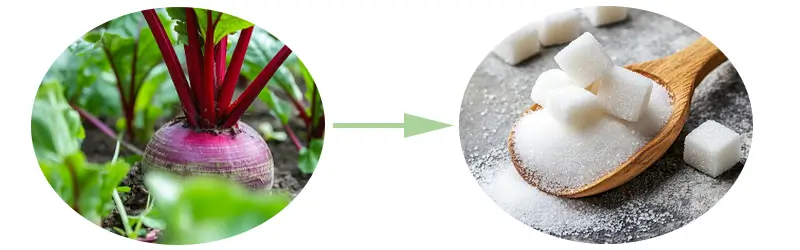
DMI is widely present in glucose derived from starch. It is produced through steps including hydrolysis, hydrogenation, and intramolecular dehydration to obtain isomalt, which is then subjected to an etherification reaction to ultimately form Isosorbide dimethyl ether. Compared to the traditional solvents it aims to replace (DMF, NMP, DMSO), its most prominent advantages lie in its low toxicity, high biodegradability, and exceptional safety profile. Additionally, its high boiling point and flash point ensure greater safety during storage, transportation, and use.
However, viewing DMI merely as a “substitute” would significantly underestimate its immense potential. Its uniquely rigid bicyclic molecular structure and ether bond confer a series of superior physicochemical properties that surpass ordinary solvents, forming the cornerstone of its “high-performance enabling” capabilities.
Exceptional Solvent Power: It demonstrates formidable dissolving capabilities for various polar polymers, resins, and inorganic salts, particularly excelling in high-performance polymer synthesis.
Outstanding Thermal and Chemical Stability: Maintains stability across extreme temperatures without decomposition, making it suitable for demanding reaction conditions and high-performance applications.
Superior Electrochemical Stability: This property has unexpectedly opened vast opportunities in the new energy sector.
In the synthesis of polyimide—hailed as the “gold standard of polymer materials”—DMI has transcended its role as a mere solvent. Research indicates that using it as a reaction medium not only avoids harmful solvents but also effectively promotes the formation of high-molecular-weight, low-color, and high-transparency polyimides. It is no longer a passive participant but actively influences the key properties of the final product, becoming an “engineer” that enhances material quality. This trend is equally evident in the synthesis of other specialty engineering plastics like polysulfones and polyether ether ketones.
This represents the most emblematic application where dimethyl isosorbide delivers its “empowering” effects. As electric vehicles demand ever-higher battery energy density and safety, traditional carbonate electrolytes have reached their limits. With its high boiling point, high flash point, and excellent film-forming capabilities, dimethyl isosorbide emerges as an ideal high-performance electrolyte additive or cosolvent.
Empowering Safety: Significantly enhances the thermal stability of electrolytes, fundamentally reducing the risk of battery thermal runaway.
Empowering Performance: Particularly in next-generation silicon-based anode materials, it forms a more robust SEI film, effectively suppressing volume expansion during silicon material charging and discharging, and significantly extending battery cycle life.
In this field, DMI is no longer a simple “substitute” but has become the key to unlocking battery technology bottlenecks while simultaneously enhancing safety and performance.
In pharmaceuticals, dimethyl isosorbide (DMI) is revolutionizing drug delivery as a gentle yet highly effective transdermal absorption enhancer. It intelligently modulates the skin’s stratum corneum barrier function to promote drug molecule penetration while offering superior biocompatibility compared to traditional permeation enhancers. In premium cosmetics, it serves as a superior solubilizer, enhancing the stability and bioavailability of functional ingredients while ensuring formulation mildness. Its role has evolved from a basic carrier to an “intelligent enhancer” that amplifies product efficacy.
Despite its promising prospects, the widespread adoption of isosorbide dimethyl ether faces challenges, primarily due to its currently higher production costs compared to established petroleum-based alternatives. However, advancements in biorefining technologies, increased production scale, and stricter environmental regulations will progressively enhance its cost competitiveness.
The future development path of DMI will become increasingly clear: on one hand, it will continue to deepen applications in existing areas of strength, evolving from “usable” to “highly effective”; on the other hand, it will continuously explore new application frontiers, such as playing a role in cutting-edge fields like carbon dioxide capture and novel liquid crystal materials.
The evolution of isosorbide dimethyl ether DMI perfectly illustrates the transformation of green chemistry from “concept” to “value.” It is no longer merely a passive choice driven by environmental pressures, but an active enabler based on its unique properties. From a “green pioneer” replacing toxic solvents to a “performance engine” driving advancements in high-end materials, new energy, and life sciences, DMI is demonstrating with steady strides that sustainable development and high-performance output can coexist. It heralds a new era of “empowerment” for bio-based chemicals.
We are always committed to delivering optimal chemical solutions for all application scenarios.