- Tianqiao District, Jinan City, Shandong Province, China
- export01@jinbangch.com
- Mon to Sun: 8:00am – 6:00pm


Every tube of toothpaste and every piece of sugar-free gum you use in your daily life is closely linked to the sorbitol sweetener. It’s not only a mainstay of the sugar-free food industry but also a hidden gut cleanser lurking in ingredient lists—where does it come from, and what are its uses?
The chemical name for sorbitol is hexanediol; it is a six-carbon sugar alcohol belonging to the polyol family. In 1872, a French chemist first isolated it from the sap of the rowan tree (Sorbus aucuparia), which is how it earned its name, evoking the fresh scent of plants. In fact, sorbitol is widely distributed in nature: it occurs naturally in apples, pears, peaches, plums, prunes, and certain types of seaweed.
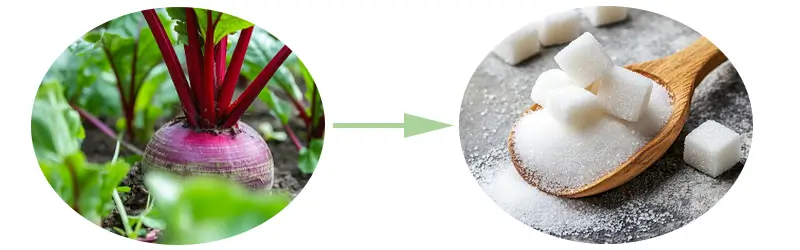
However, the sorbitol sweetener found on store shelves is not extracted directly from fruit—that would be far too expensive. Today, sorbitol sweetener on the market is primarily produced from corn, wheat, or cassava starch. The starch is first hydrolyzed into glucose, which is then reduced through catalytic hydrogenation. For this reason, it is difficult to categorize it simply as “all-natural” or “artificial.”
Yes. Sorbitol sweeter is a “nutritious option” among sugar substitutes: it provides calories, but fewer than sucrose. Sorbite sweetener has approximately 60% of the sweetness of sucrose and provides only about 2.6 kcal per gram (compared to 4 kcal for sucrose). With a glycemic index as low as 9, it barely triggers an insulin response. Therefore, in sugar-free foods (such as diabetic foods, sugar-free candies, and gum), it is often necessary to use larger amounts or blend it with other high-intensity sweeteners to achieve the desired sweetness.
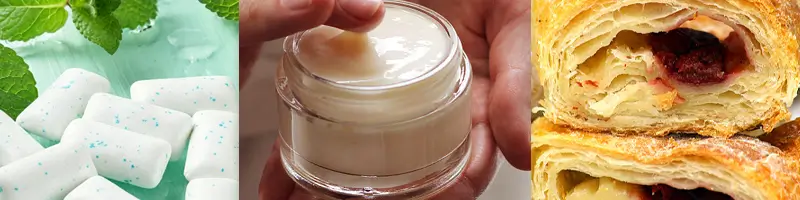
Since sorbitol sweetener doesn’t get quickly broken down into acids by cavity-causing bacteria in the mouth, it doesn’t cause cavities, making it a common ingredient in sugar-free gum, hard candies, and mints. But its benefits go far beyond just sweetness:
| Comparison Item | Sorbitol Sweetener | Xylitol |
|---|---|---|
| Sweetness | 60% sweetness of sucrose, no cooling sensation | 1:1 sweetness compared with sucrose, obvious cooling taste on intake |
| Calorie | Approx. 2.6 kcal/g | Approx. 2.4 kcal/g |
| Glycemic Index (GI) | ~9 | 7~13, both are safe low-GI ingredients |
| Dental Protection Effect | Does not cause tooth decay, but a few bacteria can utilize it slowly | Strong anti-cavity performance, inhibits Streptococcus mutans and reduces dental plaque |
| Intestinal Tolerance | Prone to induce diarrhea; single dose of 10~20g may trigger laxation | High tolerance level; diarrhea mostly occurs when single intake exceeds 30~50g |
| Unique Advantages | Low cost, outstanding moisture retention property and good processability | Pure authentic sweetness, officially approved for dental protection, used for high-end formulations |
| Safety Risks | No specific toxic hazard identified so far | Extremely toxic to canines; tiny intake causes hypoglycemia and liver failure |
| Typical Applications | Economical sugar-free candy, moisturized bakery food, laxative glycerin suppositories | Premium chewing gum, oral care products, anti-cavity candy for kids |
Request samples or technical support: Contact our sales team
We are always committed to delivering optimal chemical solutions for all application scenarios.