- Tianqiao District, Jinan City, Shandong Province, China
- export01@jinbangch.com
- Mon to Sun: 8:00am – 6:00pm


From kitchen condiment bottles to industrial production lines, from ancient preservation techniques to modern medicine, one substance is ubiquitous: acetic acid. It is both a vital chemical molecule and an indispensable companion in our daily lives.
From a chemical perspective, acetic acid (chemical formula CH₃COOH) is a simple carboxylic acid and the key acidic component in all edible vinegars. At room temperature, pure acetic acid is a colorless liquid. When its temperature drops below 16.6°C, it solidifies into ice-like crystals, hence pure acetic acid is often called “glacial acetic acid.”
Acetic acid derives its pungent, sharp taste from the “carboxyl group” in its molecular structure. When dissolved in water, it partially ionizes to release hydrogen ions, exhibiting typical acidic properties.
The answer is: Closely related, but not entirely equivalent.
Acetic acid: Typically refers to acetic acid itself, especially products of varying concentrations and purities. Examples include “glacial acetic acid” used in laboratories or “acetic acid solutions” employed in industrial settings.
Vinegar: A diluted aqueous solution containing approximately 4%-8% acetic acid, which also incorporates other flavor compounds through the fermentation process. Brewed vinegars, such as rice vinegar, apple cider vinegar, or wine vinegar, contain complex components beyond acetic acid—including esters, amino acids, and minerals—which collectively form vinegar’s distinctive flavor and aroma.
In summary, vinegar is an aqueous solution of acetic acid, but acetic acid is not vinegar. Vinegar is acetic acid’s “table-ready version,” while acetic acid is its “chemically pure form.”
Food Industry (as Vinegar):
Seasoning: This is its most widely recognized use, adding acidity to dishes to cut through richness and enhance flavor.
Preservative: Its acidic environment inhibits microbial growth, making it ideal for pickling vegetables (e.g., pickles, kimchi) and preserving foods.
Brewing Ingredient: It serves as the foundation for various flavored vinegars (e.g., aged vinegar, aromatic vinegar, fruit vinegar).
Industrial Applications:
Polymer Synthesis: Acetic acid is a key raw material for producing cellulose acetate (used in film and textile fibers) and polyethylene terephthalate (PET plastic, used in beverage bottles).
Solvent: As an excellent polar solvent, it is used in the production of paints, inks, coatings, and pesticides.
Chemical Synthesis:
Serves as the starting material for synthesizing numerous chemicals, including ethyl acetate and aspirin.
Household & Medical Applications:
Cleaning Agent:
Diluted vinegar effectively dissolves limescale and soap scum, functioning as an eco-friendly natural cleaner.
Pharmaceutical Ingredient:
Acetic acid is indispensable for synthesizing aspirin (acetylsalicylic acid).
Beyond consuming various types of vinegar directly, the following foods naturally contain or produce acetic acid through fermentation:
Fermented Foods: Kimchi, sauerkraut, pickles, and other fermented items generate acetic acid through the combined action of lactic acid bacteria and acetic acid bacteria, contributing their tangy flavor.
Fermented Beverages: Certain unpasteurized ciders and wines continue fermenting upon exposure to air, producing small amounts of acetic acid.
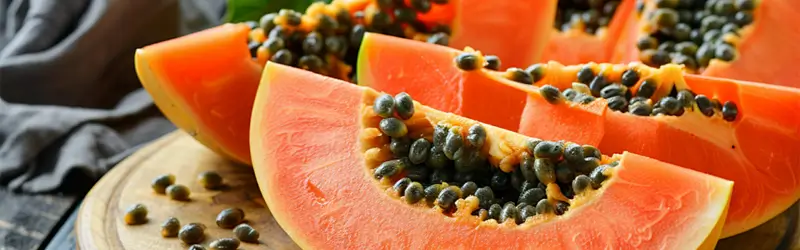
Fruits: Some fruits also produce trace amounts of acetic acid when overripe or fermented.
Some studies suggest acetic acid may play a supportive role in weight loss, but it is by no means a “magic potion.” Potential mechanisms include:
Increased Satiety: Consuming a small amount of diluted vinegar before meals may slow gastric emptying, prolonging feelings of fullness and naturally reducing food intake.
Blood Sugar Regulation: Acetic acid is thought to inhibit digestive enzymes that break down carbohydrates, slowing glucose absorption into the bloodstream and preventing post-meal blood sugar spikes. Stable blood sugar levels help reduce fat storage and suppress hunger.
Promoting fat metabolism: Some animal studies suggest acetic acid may activate certain genes that boost fat burning.
Important note: These effects are generally mild and require combination with a healthy diet and regular exercise. Drinking undiluted vinegar can erode tooth enamel and irritate the esophagus—always dilute it with water.
Chronic inflammation is the root cause of many modern diseases. Research on acetic acid’s anti-inflammatory effects is still ongoing:
Gut Health: As a short-chain fatty acid, acetic acid serves as a preferred “food” for beneficial gut bacteria like bifidobacteria. A healthy gut microbiota produces more short-chain fatty acids, which help maintain intestinal barrier integrity and reduce systemic inflammation triggered by endotoxins entering the bloodstream.
Direct Anti-Inflammatory Effects: Laboratory studies indicate acetic acid can suppress the production of certain pro-inflammatory factors. While human mechanisms are more complex, consuming moderate amounts of acetic acid through fermented vinegar is considered a dietary strategy to support the body’s anti-inflammatory environment. In traditional medicine, diluted vinegar applied topically has been used to soothe skin inflammation.
However, currently insufficient robust clinical evidence exists to definitively support the claim that “oral acetic acid possesses significant anti-inflammatory efficacy.” It is reasonable to view it as a healthy dietary component, but it should not replace formal medical treatment.
As an experienced acetic acid supplier, JinbonChemical provides high-quality specialty chemical products backed by exceptional customer service. We prioritize customer satisfaction with ample supply and competitive pricing. Our quotations adjust with market fluctuations. If you are interested in our products, please feel free to inquire at any time.
We are always committed to delivering optimal chemical solutions for all application scenarios.