- Tianqiao District, Jinan City, Shandong Province, China
- export01@jinbangch.com
- Mon to Sun: 8:00am – 6:00pm


From the velvety texture of ice cream to the crystal-clear clarity of medicinal solutions, and the silky smooth feel of cosmetics—all of these rely on a single chemical ingredient: Tween 80. In fact, it has long been an integral part of our daily lives. Today, let’s take a closer look at this “jack-of-all-trades.”

The official chemical name for Tween 80 is Polysorbate 80, also known as polyoxyethylene (20) sorbitan monooleate. It is produced by partially esterifying natural sorbitol and its dehydration product with oleic acid, followed by polymerization with approximately 20 ethylene oxide molecules.
At room temperature, Tween 80 is a pale yellow to amber-colored viscous liquid with a slight, distinctive odor. One end of its molecule is a hydrophilic long polyethylene oxide chain, while the other end is a lipophilic oleic acid fatty chain. This “amphiphilic” structure makes it a nonionic surfactant with an HLB value (hydrophilic-lipophilic balance) as high as 15.0, making it a typical oil-in-water (O/W) emulsifier.
Tween 80 is a safe food additive approved by the Joint FAO/WHO Expert Committee on Food Additives (JECFA) and major food safety agencies worldwide.
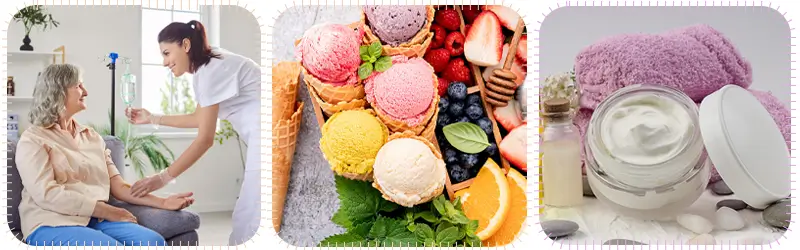
Ice Cream and Frozen Desserts: It prevents ice crystals from becoming coarse, giving ice cream a smoother, creamier texture while increasing its expansion rate to deliver a light and silky mouthfeel.
Bread and Pastries: It strengthens the gluten network in dough, making bread fluffier and softer, while delaying starch staling and extending shelf life.
Chocolate and Confectionery: It reduces the viscosity of chocolate coatings, facilitating coating and molding, while preventing surface blooming.
Beverages and Flavored Oils: It ensures that fat-soluble flavorings, vitamins, and other ingredients are evenly dispersed in water-based beverages, forming clear or stable microemulsions.
Tween 80 is an extremely critical excipient in modern drug formulations. Many drugs are inherently highly insoluble in water; Tween 80 forms micelles that encapsulate the drug, enabling it to exist safely and stably in aqueous solutions and facilitating intravenous administration.
A “Jack-of-all-trades” for Oral and Topical Formulations: It aids in the dissolution of active ingredients in drops and syrups; enhances the corneal permeability of drugs in eye drops; and acts as an emulsifier in creams and ointments, ensuring the oil and water phases blend perfectly to form a smooth, moisturizing texture.
Tween 80 serves as a highly effective yet gentle emulsifier in cosmetics. It is largely responsible for the ability of makeup remover oils to emulsify upon contact with water. Daily care products such as face creams, lotions, shampoos, and body washes also frequently rely on it to blend essential oils, fragrances, and various nutrients, delivering a comfortable, non-greasy feel that absorbs easily into the skin.
In the textile industry, it is used as an antistatic agent and fabric softener; in coatings, it aids in pigment dispersion; and in pesticides, it emulsifies active ingredients. Even in laboratories, it is commonly used to dissolve fat-soluble compounds or as a blocking agent in experiments such as Western blots.

Twain 80 has been approved by nearly all major regulatory agencies worldwide, with an Acceptable Daily Intake (ADI) of 0–25 milligrams per kilogram of body weight. Taking a 60-kilogram adult as an example, daily intake of less than 1.5 grams is considered safe; however, it is by no means flawless. Controversy surrounding its safety primarily centers on three aspects:
This is the focal point of discussions regarding Tween 80’s safety. When an injection containing Tween 80 enters the bloodstream, it may activate the complement system, triggering a non-IgE-mediated anaphylactoid reaction. Typical symptoms include facial flushing, chest tightness, and a drop in blood pressure. This phenomenon is not a true immune-mediated allergic reaction, but rather results from Tween 80 directly stimulating mast cells to release histamine or activating the complement system. It is primarily related to the rate of intravenous administration, dosage, and individual susceptibility. When used appropriately under a doctor’s supervision, the risk is entirely manageable.
A landmark animal study published in 《Nature》in 2015 found that giving mice water containing 1% polysorbate 80 (or carboxymethyl cellulose) altered the composition of their gut microbiome, induced low-grade inflammation, and may have contributed to metabolic syndrome. These findings sparked in-depth academic discussions regarding the long-term effects of food-grade emulsifiers. However, the doses used in these experiments were hundreds of times higher than those typically consumed in the human diet. Following their assessments, various food safety agencies currently conclude that, within the established ADI limits, Tween 80 is safe for human gut health. Research in this area is ongoing, and regulatory agencies will continue to monitor the latest scientific data.
Tween 80 is polymerized from ethylene oxide, and trace impurities (carcinogens) are inevitably produced during the manufacturing process. The Cosmetic Ingredient Review (CIR) panel has assessed that Tween 80 is safe for use in cosmetics at current concentrations. Only a very small number of individuals with highly sensitive skin may experience mild irritation.
As a trusted supplier of Tween 80, Jinan Jinbon Chemical is committed to providing stable, high-quality Tween 80. We offer factory-direct supply at highly competitive prices, provide samples, and support customization requests and technical assistance. Request a quote today!
We are always committed to delivering optimal chemical solutions for all application scenarios.